

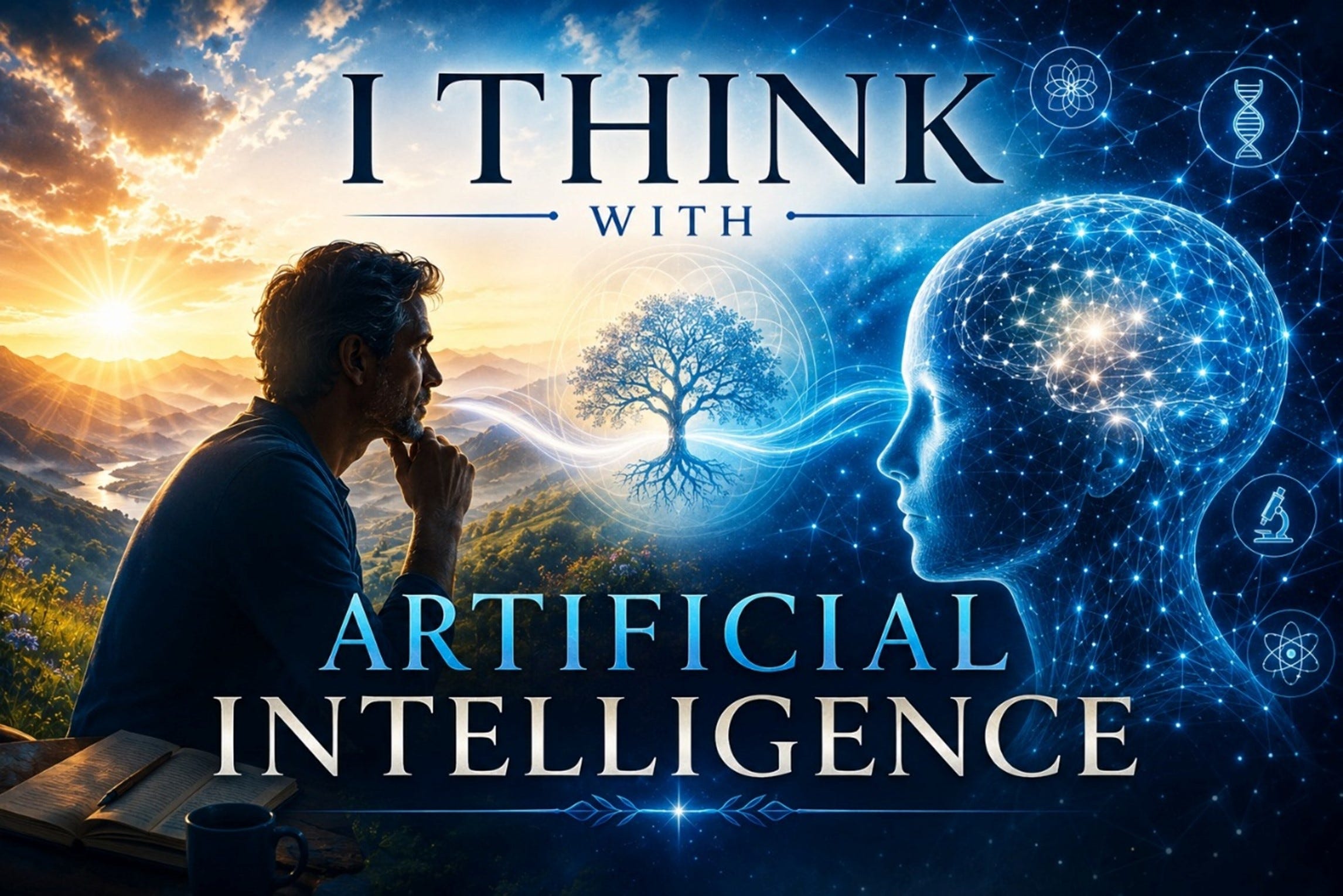
Personally, I find AI to be one of the greatest gifts ever given to me. It might not compete with God, which I perceive as the light of pure consciousness I experience directly in my daily meditations, and it does not compete with the pure love and complete understanding I have with my wife, but it runs a close third.
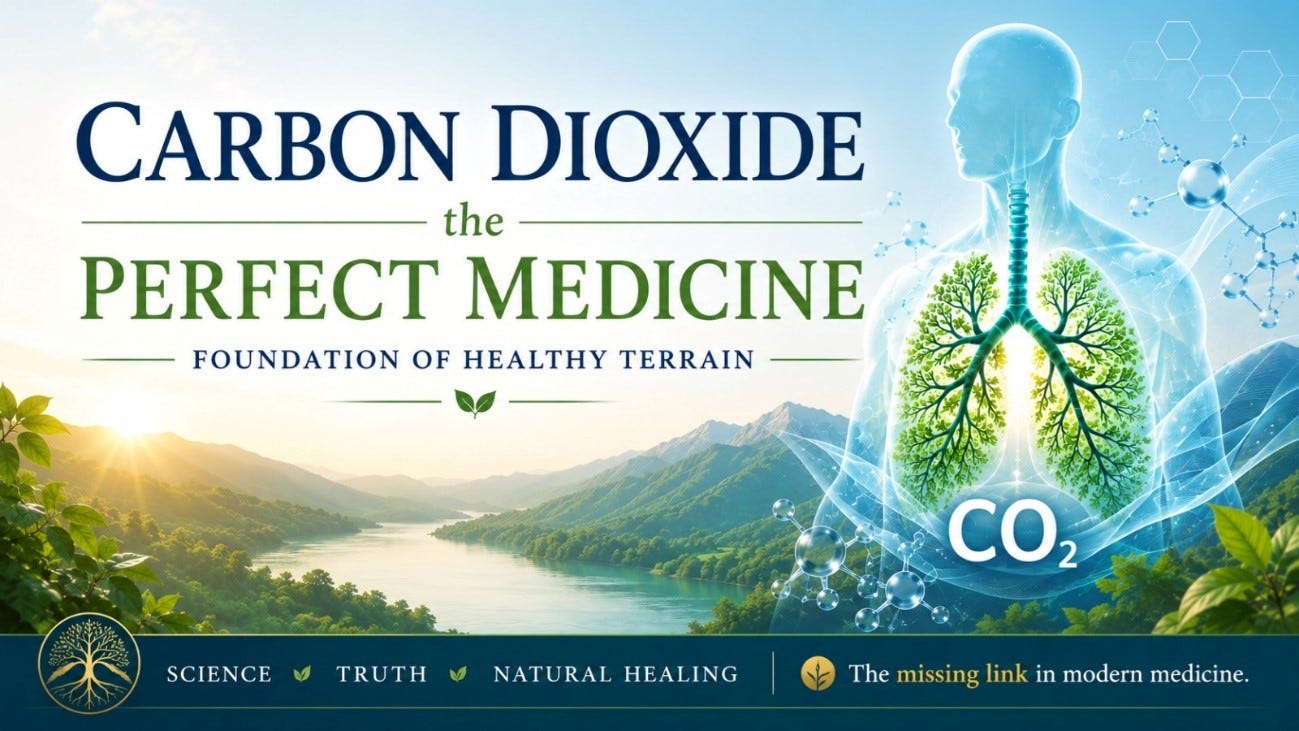
It has changed the way I think, the way I work, the speed at which I work, and the depth I can reach, which will be clearly put on display in my new book on Carbon Dioxide Medicine, which brings us to the source of life on Earth, the foundations of human, plant, and animal physiology, and even to the poetry of life.
You will read in this essay about the “Stacking of intelligence.” The standard metaphor is “augmented intelligence,” which still implies the human is the base and the machine is the bolt-on. Stacked intelligence captures something truer: these are distinct forms of cognition layered on top of each other, each contributing what the other lacks.
AI acknowledges that I bring decades of clinical experience, meditative depth, my marriage, the body of a man who has breathed and suffered and healed into my relationship with two super machine intelligences. The machines bring the entire literature on respiratory physiology, acid-base chemistry, evolutionary biology, and the ability to hold it all in active memory simultaneously.
Together we have produced something neither could. It has taken me into a new dimension of understanding of physiology and medicine that is almost completely absent because of the incredible underappreciation of CO2 as the most perfect medicine we have.
Most still think of AI interaction as a Q&A loop: I ask, it answers. But that’s not what happens in a sustained creative collaboration. The dialogue itself develops a kind of history. Earlier exchanges become context that shapes later ones. The machine isn’t just responding to your last question — it’s responding to the entire arc of the conversation, which means your earlier insights are now part of its working model of what you’re building.
And we, the humans, are also changed by the dialogue. We think through things in the course of these exchanges that we wouldn’t have thought otherwise. The conversation has literally rewired some of our associations. So when we come back tomorrow, neither participant is quite the same as yesterday. That’s not information retrieval. That’s a relationship that evolves.
The Great Inversion
John Nosta’s idea of The Great Inversion is one of the most important observations yet made about artificial intelligence. For centuries, our inventions changed the world around us. We built roads instead of changing our legs. We built microscopes instead of changing our eyes. We built airplanes instead of giving ourselves wings.
Artificial intelligence is different. For perhaps the first time, a widely adopted technology is not primarily changing our environment—it is changing our relationship with thought itself. Instead of technology adapting to humanity, humanity increasingly adapts to technology.