
Super Violent Weather and Cold

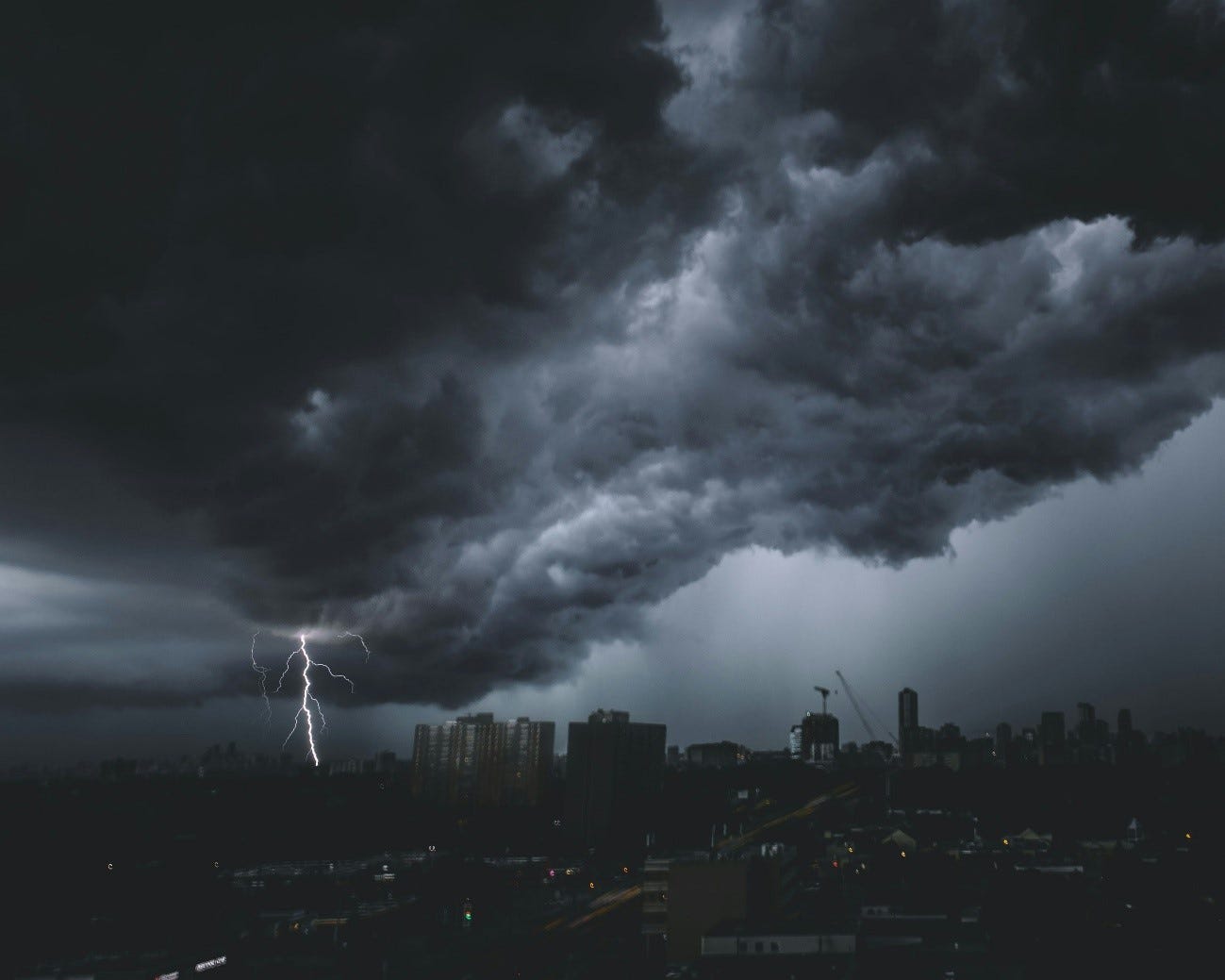
Up to 4 months’ worth of rain may fall in less than a week across part of the central United States, threatening major flooding and endangering lives and property. A firehose of moisture is forecast to produce repeating thunderstorms with torrential downpours throughout the United States through much of this weekend. AccuWeather meteorologists warn that more than a foot of rain may pour down from portions of Arkansas to Kentucky and Ohio, likely triggering rapid, significant, and historic flooding.
Over 46 million people will be affected by rounds of intense rainfall over the central U.S. Of these, at least 13 million will be within a high- to extreme-flood risk zone. Within these higher-risk areas, some communities have the potential for catastrophic flooding.
Record-Breaking Cold Grips Antarctica
Winter Comes Early To The Bottom of the World
Antarctica is experiencing an intense and unseasonal cold snap at the end of March, with temperatures plummeting to record-setting lows at Concordia Station. For four consecutive days, temperatures have dipped below -70C (-94F), a rare occurrence even in the heart of winter, let alone during the autumn transition.
28 March: -72.4C (-98.3F)
29 March: -75.5C (-103.9F)
30 March: -75.1C (-103.2F)
31 March: -74.6C (-102.3F)
This four-day stretch stands out as one of the harshest cold spells in recorded history so early in the year.
The Global Warming That Was Is Past
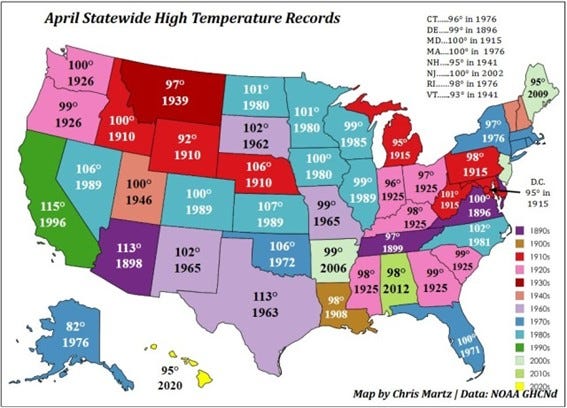
According to NOAA data, 38 states set their all-time April high temperature in or before 1980, with 24 of those records occurring before 1950 and 20 set before 1930.
Why do most extreme heat records date back to the early 20th century or the 1800s? It’s also worth asking whether heavily adjusted, smoothed, and modelled trends are easier to ‘influence’ than raw thermometer readings. Trends can be shaped by averaging methods, data station selection, or baseline shifts. All-time records, on the other hand, are stubborn facts — single points in time that stand untouched. If we were in a climate emergency, wouldn’t we expect to see an overwhelming number of record highs in recent years?
Violent Space Weather
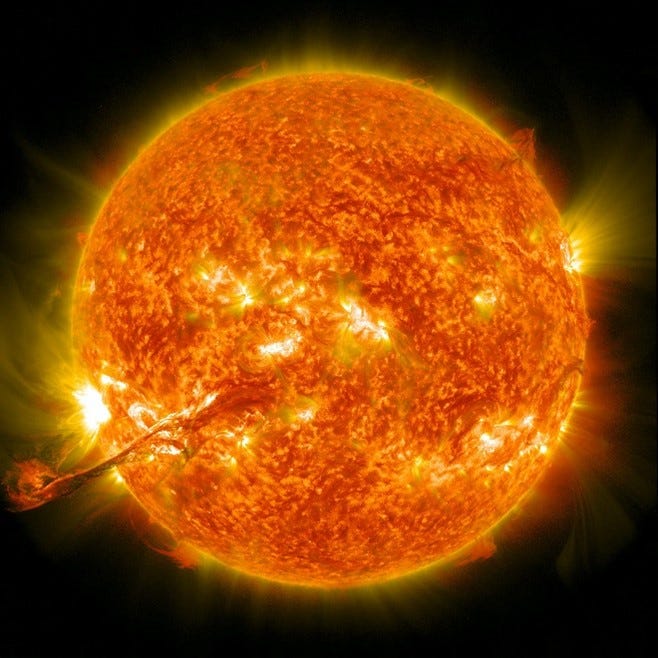
On April 2, 2025, astronomer David Wilson from Inverness, Scotland, captured a significant solar eruption from sunspot AR4048. This event was notable for its immense size, with the flare appearing large enough to engulf Earth.
The Sun has exhibited heightened activity recently. For instance, on April 1, an M5.6-class solar flare erupted from sunspot AR4046, which was positioned in Earth’s “strike zone” at that time. Depending on their intensity and the Earth’s alignment, such flares can potentially trigger geomagnetic storms and auroras.
Remedy:
https://substackcdn.com/image/fetch/w_848,c_limit,f_webp,q_auto:good,fl_progressive:steep/https%3A%2F%2Fsubstack-post-media.s3.amazonaws.com%2Fpublic%2Fimages%2F6dd0fafb-ddbe-483d-9845-74c864f2624f_667x967.jpeg
Extreme cold in Antarctica , record heavy rains in the central and mid-south U.S and most record heat temps are years old. So obviously not global warming but more geoengineering I would say.